JUST CANYONING Route Grading System
Canyoning is not a playground; it is a technical environment. Our grading system provides an authoritative breakdown of vertical complexity, hydraulic intensity, and survival commitment.
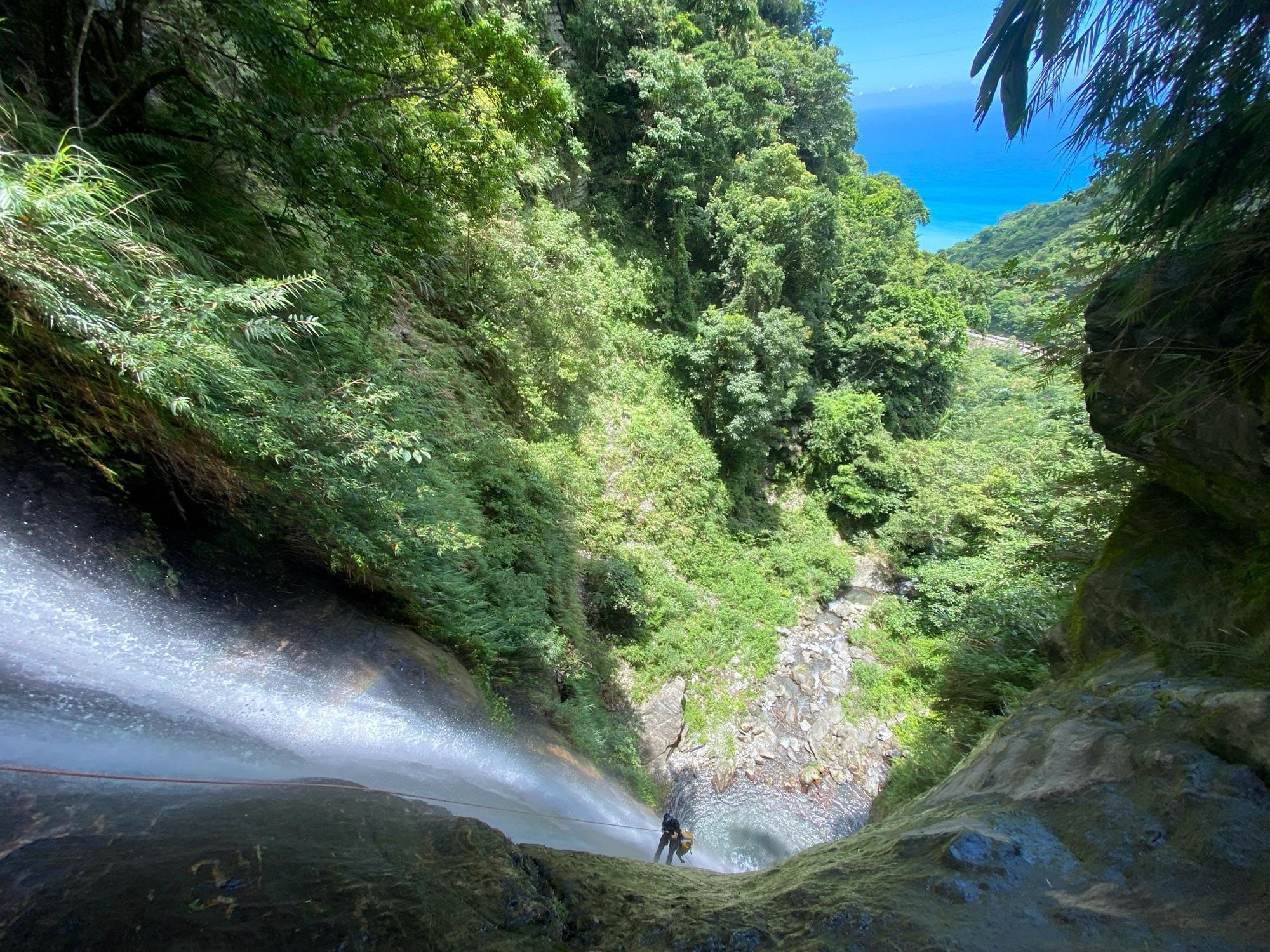
Vertical Character (V)
Technical difficulty from rope work, pitch count, anchor accessibility, and the climbing grade required.
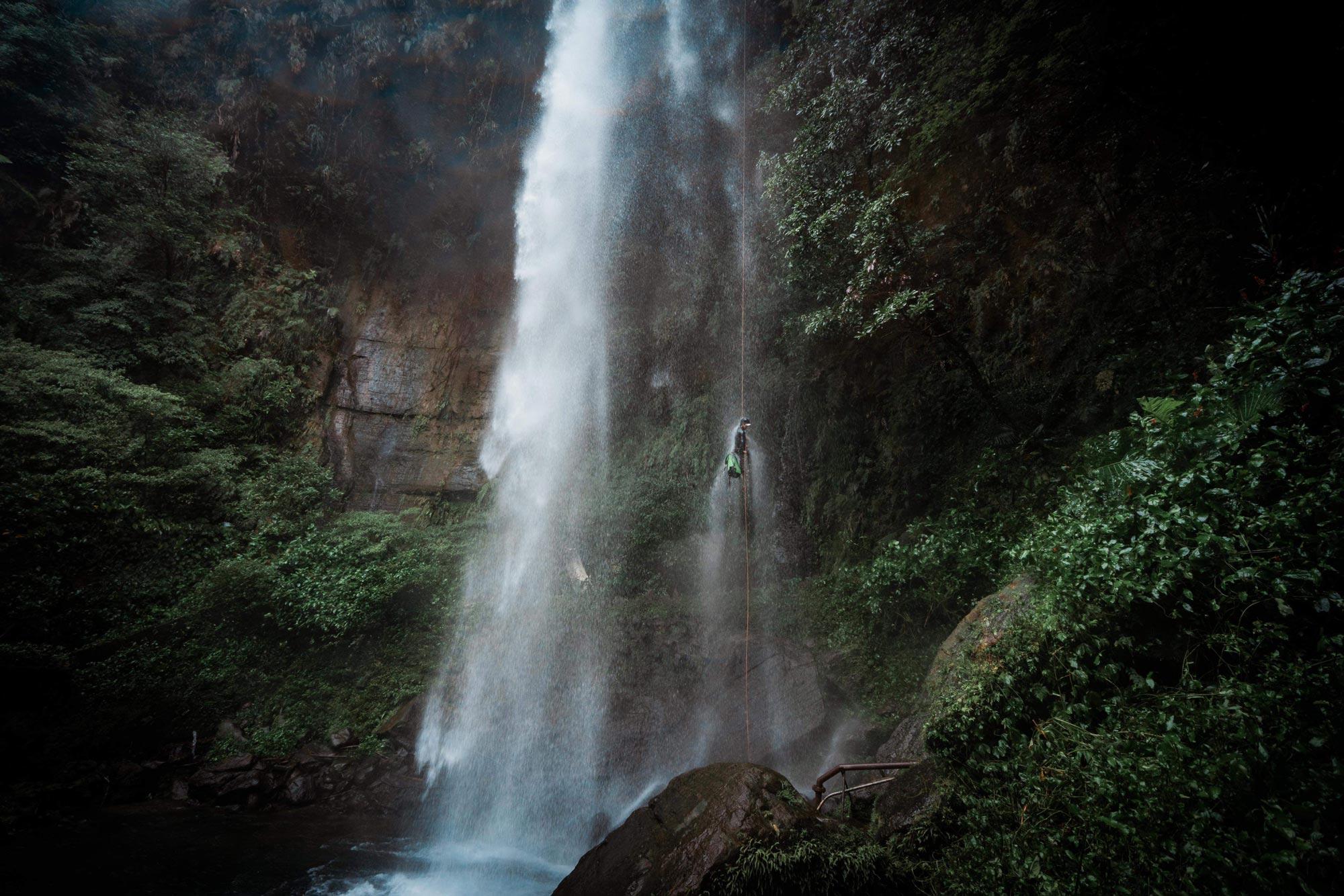
Basic Technical
Simple rappels under 30m on fixed anchors. Easy down-climbs.
Show ladderHide ladder
V1Entry Level
- Rappels < 10m
- Very easy climbing or down-climbing
V2Beginner
- Anchors easily accessible
- Rappels < 30m
- Easy climbing or down-climbing
Intermediate Vertical
Multi-pitch rappels up to 60m. Technical rigging, hanging belays introduced, climbing to 5.9. Active waterlines through the descent.
Show ladderHide ladder
V3Intermediate
- Anchors easily accessible
- Max rappel height < 45m
- Adequate spacing between drops for team reorganisation
- Low-flow vertical water features
- Pools at the base of rappels are calm
- Systems are easy to rig
- Climbing difficulty up to 5.6 (rope protection possible on minor exposed sections)
V4Intermediate High
- Anchors not easily accessible
- Rappels may exceed 45m
- Rigging is technical but manageable
- Multiple-pitch rappels with ample stance platforms for anchors
- Sharp edges require rope protection
- Low to moderate flow vertical waterlines that may affect balance or cause entrapment
- Pools at the base may be dynamic
- Climbing difficulty up to 5.8 (exposed sections require rope protection)
V5Advanced
- Multiple-pitch rappels (hanging belays / anchors)
- Rappels may require crossing dynamic waterlines
- Moderate to high vertical flow (precise rappel line, balance, and line selection)
- Difficult rope retrieval — may require swimming with rope recovery
- Climbing difficulty up to 5.9
Expert Vertical
Pitches >60m through powerful waterlines. Hard-to-reach anchors, complex rope management, climbing 5.10a+.
Show ladderHide ladder
V6Expert
- Anchors are very difficult to reach
- Traverse lines are extremely difficult to rig
- High to very high vertical flow
- Rappelling through waterlines is very challenging (efficient execution, balance, and route-finding)
- Pools at base in dynamic and strong current
- Climbing difficulty up to 5.10a
V7Extreme
- Extremely poor visibility and multiple obstacles on route
- Continuous waterfalls with no breaks
- Holding breath underwater may be necessary
- Pools at base in violent hydraulics and very strong currents
- Climbing difficulty exceeds 5.10b
Aquatic Character (A)
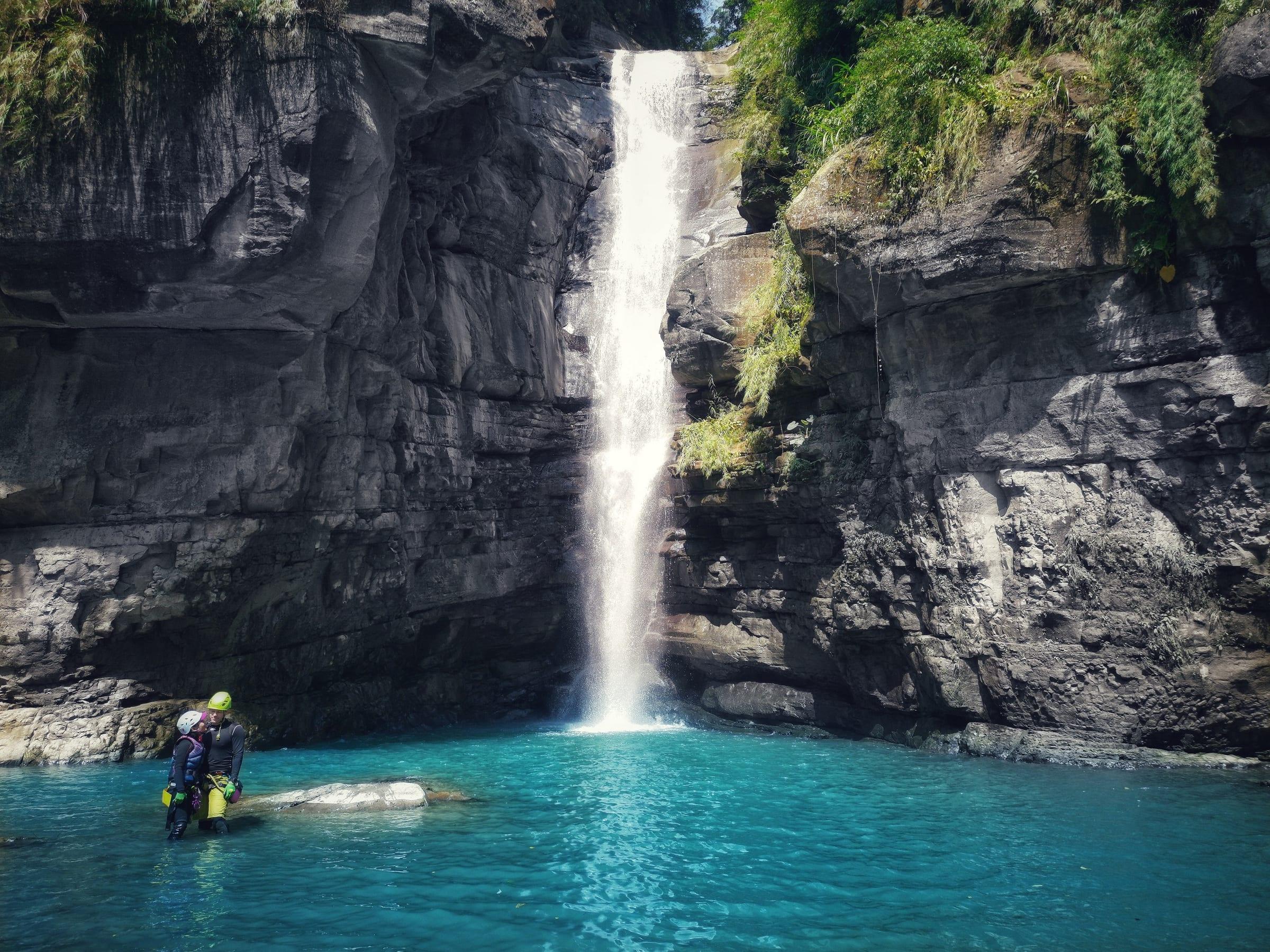
Water is the primary hazard. We measure swim distances, current intensity, recirculation risk, and required cold-water exposure.
Calm Water
Optional swims or short crossings in still / lightly moving water.
Show ladderHide ladder
A1Entry Level
- Dry or calm water
- Optional swims only
A2Beginner
- Swim across calm water < 10m
- Standard jumps < 3m
A3Intermediate
- Swim across calm water < 30m
- Swimming in some sections with moving water
Active Currents
Extended cold-water exposure, swims in moderate currents, brief recirculation risk.
Show ladderHide ladder
A4Intermediate High
- Extended exposure to cold water
- Swimming in moderate currents in certain areas
A5Advanced
- Extended exposure to cold water causing rapid heat loss
- Currents may alter swim trajectory
- Dangerous currents such as recirculations and hydraulics can briefly trap swimmers
Violent Hydraulics
Very strong currents. Recirculations may trap swimmers for extended periods.
Show ladderHide ladder
A6Expert
- Strong currents make it difficult to reach target swim lines
- Dangerous currents (recirculations, hydraulics) may trap swimmers for moderate durations
A7Extreme
- Very strong currents make it extremely difficult to reach target swim lines
- Dangerous currents may trap swimmers for extended periods
 Surface FlowHydraulic Force
Time & Escape (T)
Retreat difficulty, escape-route availability, and total expedition duration. Assumes a 6–8 person team — larger or less experienced groups need more time.
Day Trip
Up to 4 hours total. Quick retreat from any point in the canyon.
Show ladderHide ladder
T1Up to 2h
- Escape from flash-flood zone is very quick and easy
- Retreat routes throughout the canyon
- Total duration < 2 hours
T22 — 4h
- Escape from flash-flood zone is quick
- Quick retreat in some sections of the canyon
- Total duration 2–4 hours
Long Day
4 to 10 hours. Retreat requires technical gear and time; flash-flood escape becomes meaningful planning.
Show ladderHide ladder
T34 — 6h
- Escape from flash-flood zone may require a moderate amount of time
- Retreat is uneasy and may require a moderate amount of time
- Total duration 4–6 hours
T46 — 8h
- Escape from flash-flood zone may require a long time
- Retreat is difficult and may require a long time
- Total duration 6–8 hours
T58 — 10h
- Escape from flash-flood zone may require a very long time
- Retreat may require a large amount of time and advanced skills
- Total duration 8–10 hours
Multi-day
1–3 days or more. Extreme isolation, external extraction is the realistic retreat plan.
Show ladderHide ladder
T61 — 2 days
- Escape from flash-flood zone may require a large amount of time
- Retreat may require a large amount of time and expert skills
- Total duration 1–2 days
T73 days or more
- Escape from flash-flood zone may require an extreme amount of time
- Retreat route may require an extreme amount of time and skills
- Total duration 2–3 days (or more)
Experience Quality Rating
★1 to ★7 describes the overall experience — scenery, technical continuity, and uniqueness.
Entry-level
Local interest. Good for training and casual sessions.
Show ladderHide ladder
★1Entry-level Canyon
- Entry-level canyon with an easy and accessible experience, suitable for beginners.
★2Above Average
- Above-average quality canyon with a stable and consistently enjoyable experience.
Classic / Regional
High appeal, strong technical engagement, worth travelling for within the region.
Show ladderHide ladder
★3Classic
- A classic canyon with high appeal and strong revisit value.
★4Regional Highlight
- A regionally significant route worth travelling for.
National Classic
Wide-area representative. Distinctive terrain and a well-rounded experience.
Show ladderHide ladder
★5Wide-area Representative
- A wide-area representative canyon with strong multi-visit value.
★6National Classic
- A national-level classic route featuring efficient access, distinctive terrain, and a well-rounded experience — balancing fun and technical challenge.
World-class
Defining global expeditions. Elite mastery required.
Show ladderHide ladder
★7World-class Benchmark
- A world-class benchmark canyon with exceptional scenery and unique value, worthy of international travel.
Pick a Route That Matches Your Grade
Browse our published tours filtered by V · A · T. Not sure where you sit on the grades? Tell us your experience and we will recommend the right tier.